Aircraft Detailing at Malta International Airport (LMML)
Ramp detailing, full interior care and paint correction for business jets on the general-aviation apron.
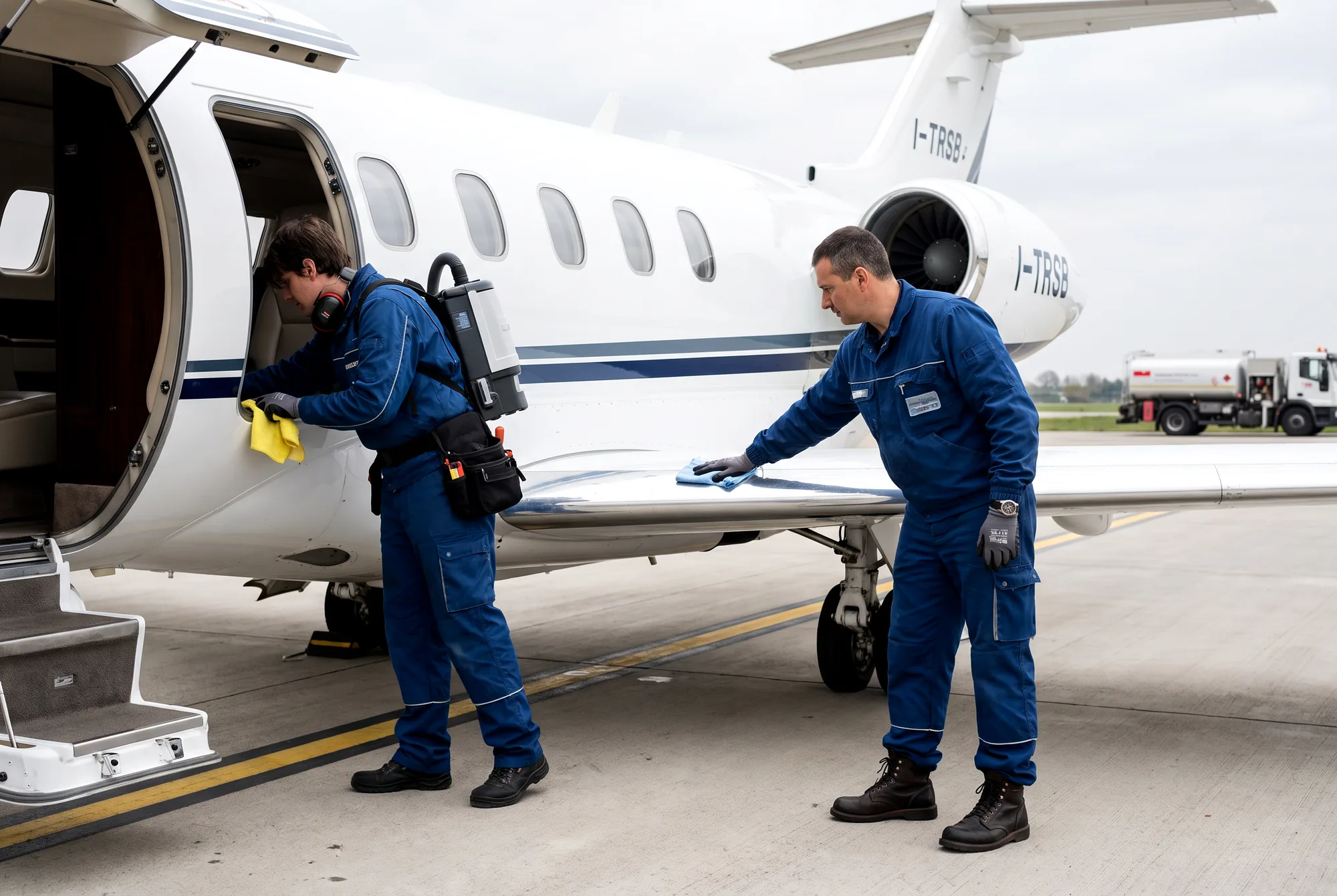
Aircraft Detailing at Malta International Airport serves flight departments, charter operators and fleet managers whose super-midsize to ultra-long-range jets use Luqa as a Mediterranean base or technical stop. We deliver quick turns, waterless exterior cleaning, full cabin detailing, brightwork polish, ceramic coating and disinfection on Apron 3, the dedicated general-aviation stand. Work is coordinated through handling agents present at the airport; all services follow OEM material specifications and are documented with time-stamped photographs for the tech log.


13/31 · 3350 m, 05/23 · 2373 m
AIP and airport dataH24 (admin offices Mon-Fri 08:00-17:00 local)
2 on the airport
independent, no affiliationGeneral Aviation Park, Apron 3 (Gate 1); separate VIP terminal off the main apron reserved for heads of state/diplomats
What changes at Malta International Airport?
Malta International Airport sits at sea level on the island's south-east coast, a few kilometres from Valletta. Two runways—3,350 metres on 13/31 and 2,373 metres on 05/23—accommodate everything from regional turboprops to widebody airliners. The airport operates around the clock; administrative offices keep weekday hours between 08:00 and 17:00 local time. Handling agents present at the airport maintain the General Aviation Park on Apron 3, accessed through Gate 1, where aircraft up to Code C park on dedicated stands. A separate VIP terminal off the main apron is reserved for heads of state and diplomatic movements.
Mediterranean summer brings high cabin temperatures and UV exposure; paint and leather benefit from ceramic protection and regular conditioning. Winter is mild, but salt air year-round accelerates corrosion on exposed brightwork. Apron 3 offers GPU and potable-water hookup, though waterless methods remain the default to avoid ramp flooding and streamline turnaround. Hangarage is available when paint correction or ceramic application requires controlled temperature. Most detailing happens airside under escort; our team holds current passes and coordinates timing with the handler to respect slot windows and crew-rest schedules.
Which services suit a Mediterranean base or tech stop?
Quick turns between morning arrivals and afternoon departures cover cabin reset, galley wipe-down, lavatory service, window cleaning and a waterless exterior touchup—typically ninety minutes on stand. Exterior dry wash uses rinseless chemistry and microfibre to remove dust, salt haze and exhaust residue without a drop of water, ideal when the ramp is busy or the next leg departs within two hours. Full interior detail reaches every surface: leather is cleaned and conditioned, veneer is polished, carpets and sidewalls are extracted, galley stainless is buffed and the cockpit receives a no-touch avionics wipe. Brightwork polish brings leading edges, nacelle lips, spinners and exhaust cones back to mirror finish by hand.
Complete detail combines exterior wash, clay-bar decontamination, single-stage machine polish, brightwork and full cabin work, plus disinfection—a two-day programme suited to pre-sale preparation or annual deep clean. Ceramic coating adds a hydrophobic, UV-resistant layer over corrected paint and polished metal; the aircraft needs hangarage or a covered stand and forty-eight hours of cure time. Fleet-care programmes schedule monthly interiors, quarterly polish and bi-annual ceramic top-up for jets based at Luqa, with every visit logged and photographed.
How does airside access work on Apron 3?
All detailing at Malta International Airport happens airside. Our crew arrives at the General Aviation Park with current airside passes, tools and products pre-cleared by the handler. We check in at Gate 1, confirm the stand number and walk or drive directly to the aircraft under escort if required. The handler provides GPU and, when requested, potable water; we carry our own deionised supply for final rinse and window work to avoid mineral streaks.
Timing hinges on the flight plan: if the aircraft lands at dawn for a midday departure, we start the exterior as soon as chocks are in and finish the cabin while catering loads. For overnight stops we schedule interior detail after the crew leaves and complete brightwork or paint correction the following morning. Every surface is photographed before and after; the report goes to the captain or flight-department manager by email, with a summary entry for the tech log. When ceramic coating or multi-day work is planned, we book hangar space through the handler and coordinate temperature and humidity with the facility team.
What does the handler expect from a third-party detailing crew?
Handling agents at Malta International Airport expect advance notice—ideally seventy-two hours—so they can reserve the stand, arrange GPU and confirm airside-escort requirements. We send a service request with aircraft type, registration, arrival and departure times, and a list of tasks. The handler replies with stand assignment, any ramp restrictions and the name of the duty manager. On the day we check in at the FBO desk, show passes and insurance certificates, then move to the aircraft only after the handler clears us onto the apron.
Chemicals and equipment must be aviation-approved; we carry material-safety data sheets for every product and never use household cleaners, acidic wheel brighteners or abrasive pads near composite or anodised surfaces. If we need external power beyond four hours, we notify the handler to avoid surprise charges. When work runs past the estimated slot, we update the duty manager and the flight crew immediately. At sign-off we collect any waste—spent microfibre, empty bottles, masking tape—and leave the stand clean. The handler appreciates predictable communication, respect for ramp traffic and a tidy departure; that goodwill makes the next visit smoother.
Why choose recurring care over one-off detailing at Luqa?
A jet based at Malta International Airport faces constant salt, UV and the fine dust that blows across the island from North Africa. One-off detailing restores appearance, but the environment undoes the work within weeks: brightwork tarnishes, leather dries, glass films over. Recurring care—monthly quick turns, quarterly interiors, bi-annual polish and ceramic top-up—keeps the aircraft in flight-ready condition and prevents the deep neglect that requires expensive correction.
Fleet programmes also mean standing logistics: the handler knows our schedule, airside passes stay current, and the same technician works the same aircraft every visit. We track every service in a digital log, so when the chief pilot asks whether the cabin was conditioned in March or the winglets were polished in October, the answer is one email away. For charter operators running high-utilisation schedules out of Luqa, predictable monthly care reduces AOG risk, protects residual value and ensures that every passenger steps into a cabin that looks and smells new. The cost per visit drops, the quality rises, and the aircraft spends less time on stand waiting for a crew to arrive.
How is aircraft detailing at Malta International Airport documented?
Every service begins with a walk-around inspection and time-stamped photographs: registration visible, general condition, any pre-existing marks on paint or brightwork. We note the stand number, ambient temperature and whether the aircraft is cold-soaked or still warm from the last leg. During the work we photograph each stage—decontamination, polish, interior extraction—so the flight department can see what was done and how. At completion we shoot the final result from six angles: nose, tail, both profiles, a cabin overview and a close-up of any area that received special attention.
The photo report goes into a PDF with service date, registration, tasks completed, products used and technician name. It is emailed to the captain and the flight-department manager within two hours of sign-off, with a summary paragraph suitable for the tech log. If the aircraft is part of a fleet-care programme, the report joins a rolling twelve-month file so trends—paint oxidation, leather wear, galley scuffing—are visible at a glance. When a pre-purchase survey or insurance audit asks for appearance records, the documentation is already organised and export-ready.
Questions operators ask about detailing at Malta International Airport
Which business-jet types can you detail on Apron 3?
Super-midsize to ultra-long-range jets and ACJ/BBJ; light jets and turboprops inside a fleet programme. The General Aviation Park accommodates aircraft up to Code C. We focus on Globals, Gulfstreams, Falcons and large-cabin Bombardiers, plus ACJ and BBJ variants. Light jets and turboprops are accepted when enrolled in a recurring fleet-care contract.
Can you perform a full detail between two legs on the same day?
No; a complete detail with interior, exterior polish and brightwork requires at least two days. A quick turn fits inside a four-hour window, and exterior dry wash plus cabin touchup can be done in three hours. Full interior detail, paint correction and brightwork polish need sequential work and cure time, so we schedule those over forty-eight hours with an overnight stop or hangarage.
Do you need water hookup for exterior cleaning at Luqa?
No; we use waterless or rinseless products and carry deionised water for final touches. Ramp water at Malta International Airport is potable but mineral-heavy. Waterless chemistry lifts dirt without runoff, and we bring our own deionised supply for windows and a final wipe. This avoids streaks, keeps the apron dry and speeds turnaround.
How far in advance should the handler be notified?
Seventy-two hours is ideal; urgent requests are assessed case by case. Three days' notice lets the handler reserve the stand, arrange GPU and confirm escort requirements. If the aircraft diverts or the schedule compresses, contact us as soon as the new slot is known; we will coordinate with the duty manager and do our best to accommodate.
Is hangarage available for ceramic coating or paint correction?
Yes; hangar space can be arranged through the handler for temperature-controlled work. Ceramic application and multi-stage polish require stable temperature and low humidity. The handler books covered space on request, and we coordinate timing with the facility team to ensure the aircraft cures properly before the next departure.
What documentation do you provide after each service?
A PDF report with time-stamped photographs, task list, products used and a tech-log summary. Every service is photographed before, during and after. The report is emailed to the captain and flight-department manager within two hours of completion, with a paragraph ready to paste into the tech log. Fleet-programme clients receive a rolling twelve-month file.
Can you disinfect the cabin between charter legs?
Yes; cabin disinfection covers all high-touch surfaces and the air path with aviation-approved agents. We sanitise seats, armrests, galley handles, lavatory fixtures, cockpit controls and sidewall panels using products cleared for aircraft interiors. The process takes ninety minutes and can be added to any quick turn or interior detail.
Do you work directly with the flight crew or through the handler?
Both; the handler coordinates ramp access, and we communicate timing and results directly with the crew. Service requests and stand assignments run through the handler. Once airside we speak with the captain or co-pilot to confirm priorities, and we send the final photo report and tech-log entry directly to the flight department.
What happens if the departure slot moves during detailing?
We pause work, secure the aircraft and update the handler and crew immediately. If the slot advances we prioritise flight-critical tasks—windows, pitot covers, exterior touchup—and defer cosmetic work to the next visit. If the departure is delayed we continue as planned and adjust the final timing with the handler. Communication is immediate in either case.
Why does brightwork tarnish faster at a Mediterranean island base?
Salt air, UV and dust accelerate oxidation on bare aluminium and stainless steel. Malta's coastal location means every aircraft on the ramp breathes salt-laden air. UV exposure is intense year-round, and fine Saharan dust settles into every crevice. Unprotected leading edges and nacelle lips tarnish within weeks; regular polish and ceramic coating slow the cycle and keep brightwork mirror-bright between visits.